About the KunstHausWien
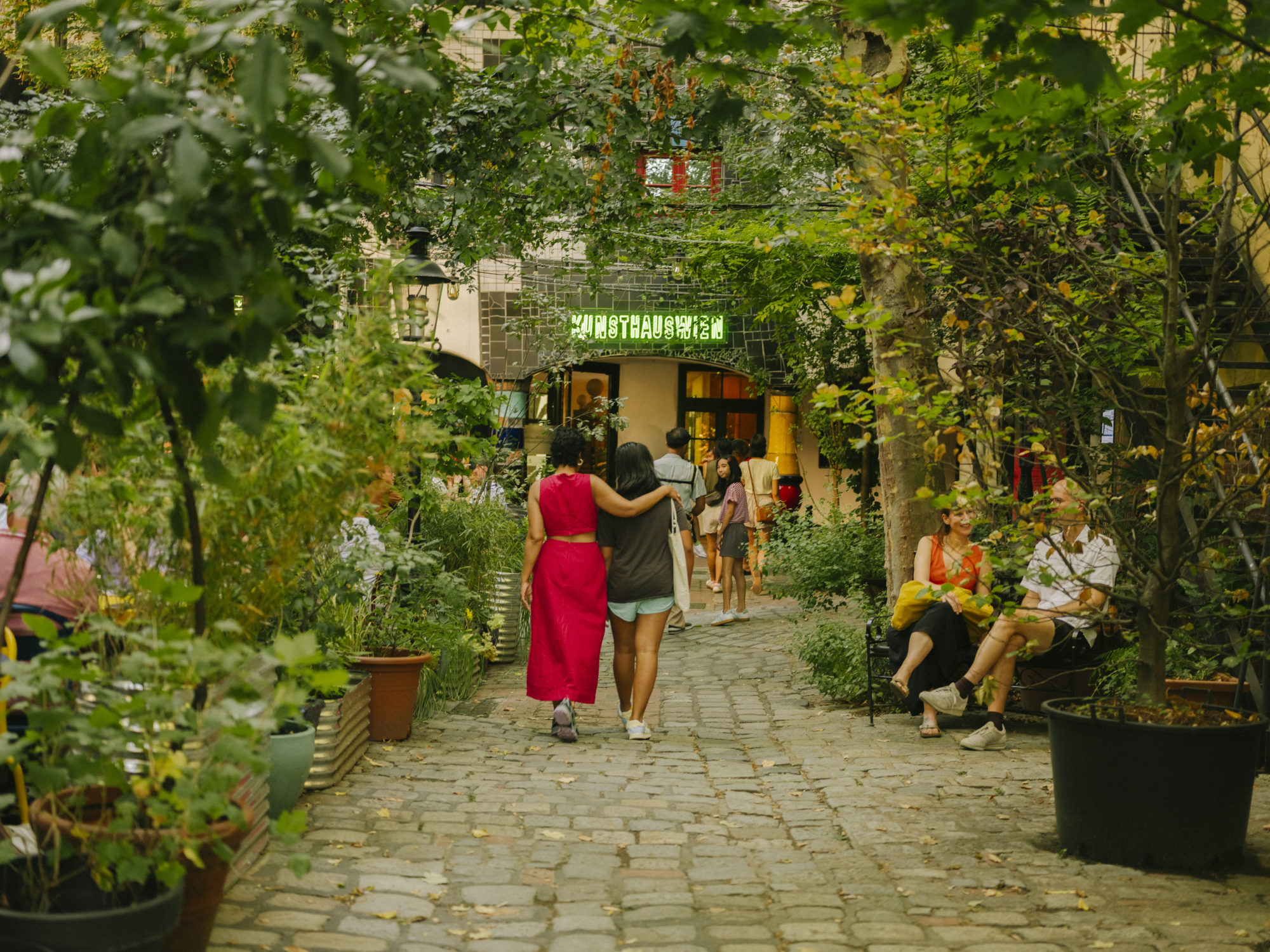
Here a viable future is growing. The KunstHausWien is the driving force behind creating a sustainable society. From today into tomorrow. The exhibitions address the relationship we humans have to the nature we have shaped and formed. Explore ecological issues through the means of art. Think visionary. Go that extra bit further. Just like the museum’s founder, Friedensreich Hundertwasser, had done. He was often ahead of his time. The KunstHausWien continues this legacy: as the first Green Museum in Austria that puts up for debate the salient question of our age: how do we want to live in the future?
Topics of the House
Topics of the House
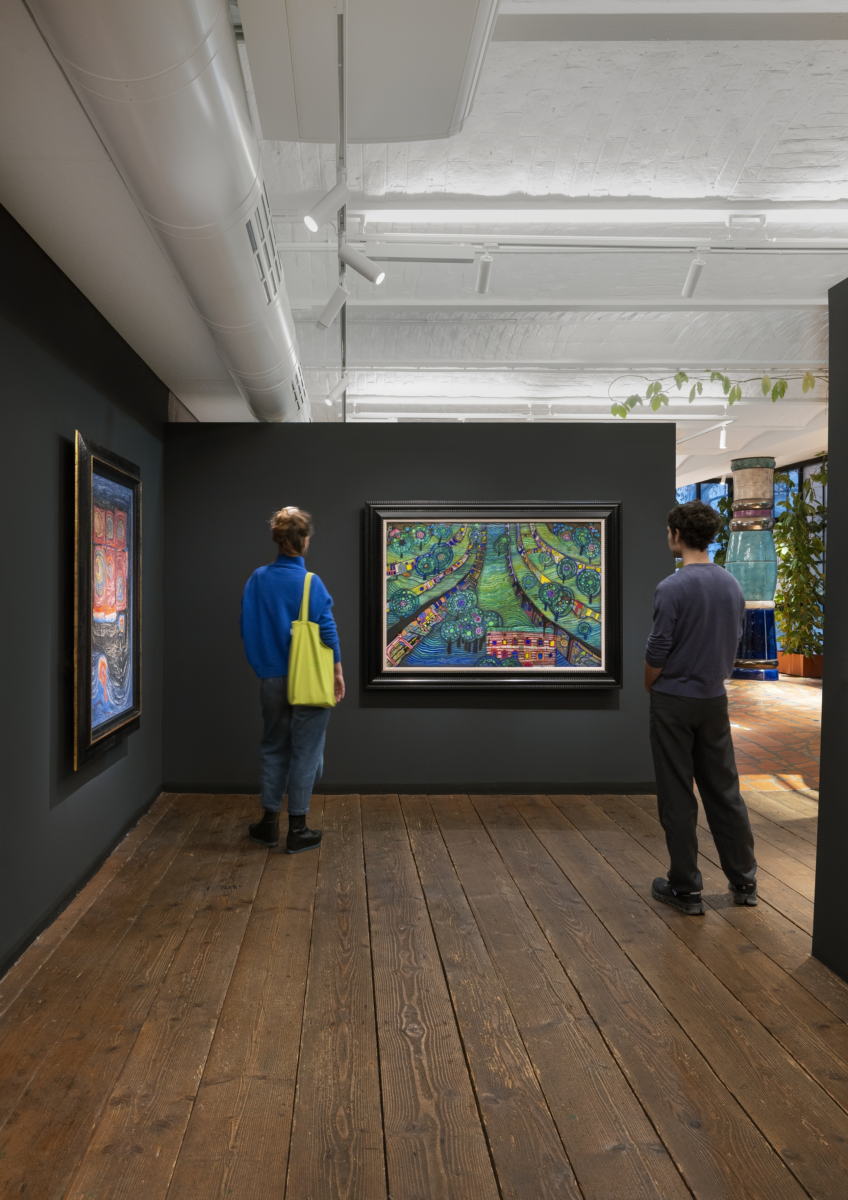
The KunstHausWien, Austria’s first Green Museum, focuses on the multifaceted relationship between humans and the nature we have shaped and formed. Ecology is the starting point for our everyday work, for how we create and how we exhibit. We draw our inspiration from the visions and works of Friedensreich Hundertwasser, whose oeuvre is shown on two levels. Temporary exhibitions featuring the works of international, up-and-coming and established artists address questions pertinent to the climate crisis and biodiversity. Always searching for those answers enabling us to create a future together. Then the KunstHausWien is a meeting place, a place fostering exchange and cooperation.
The Building’s Distinctive Features
The Building’s Distinctive Features
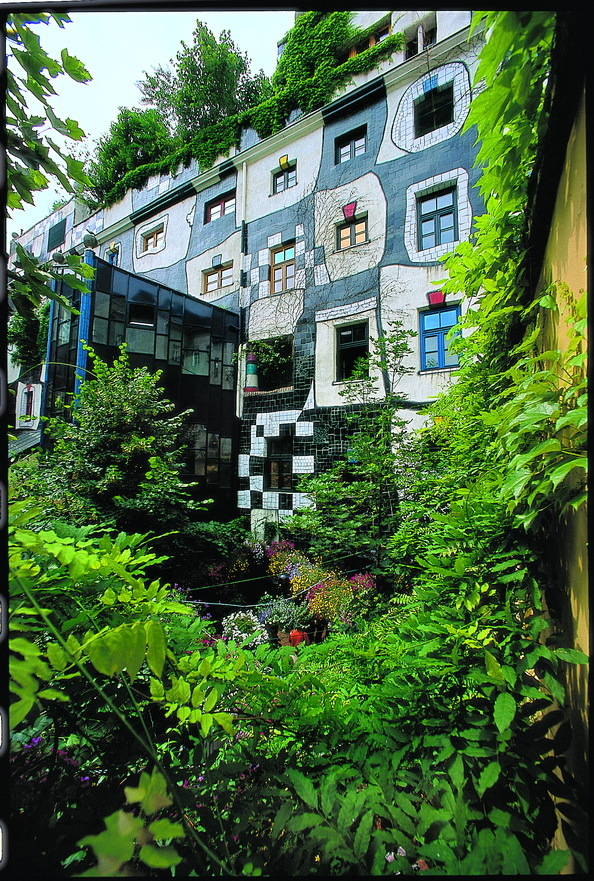
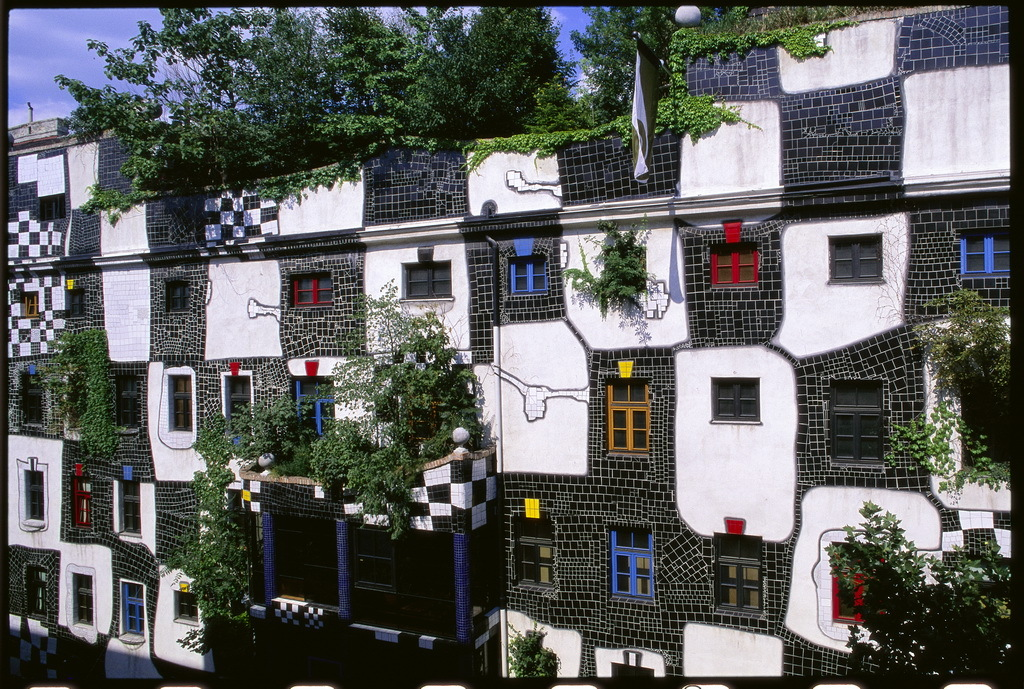
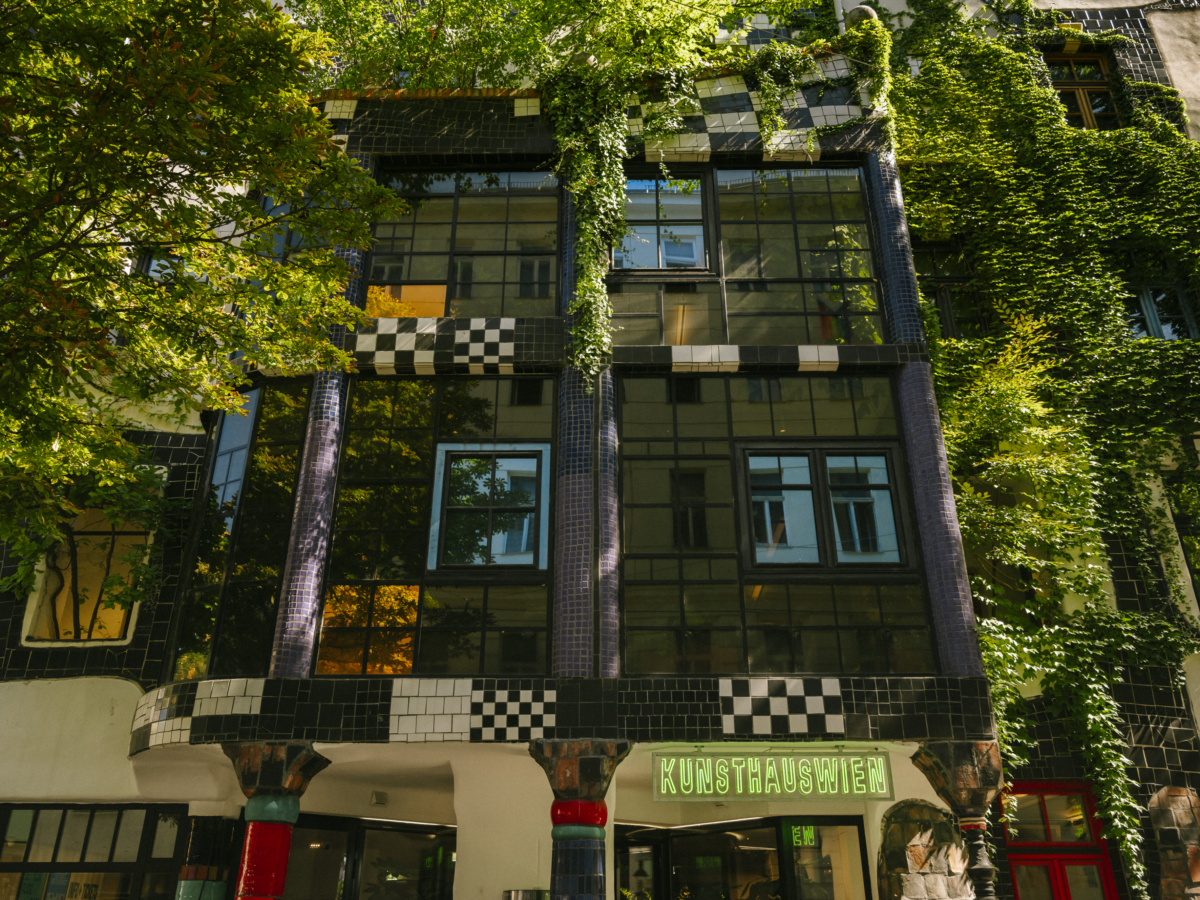
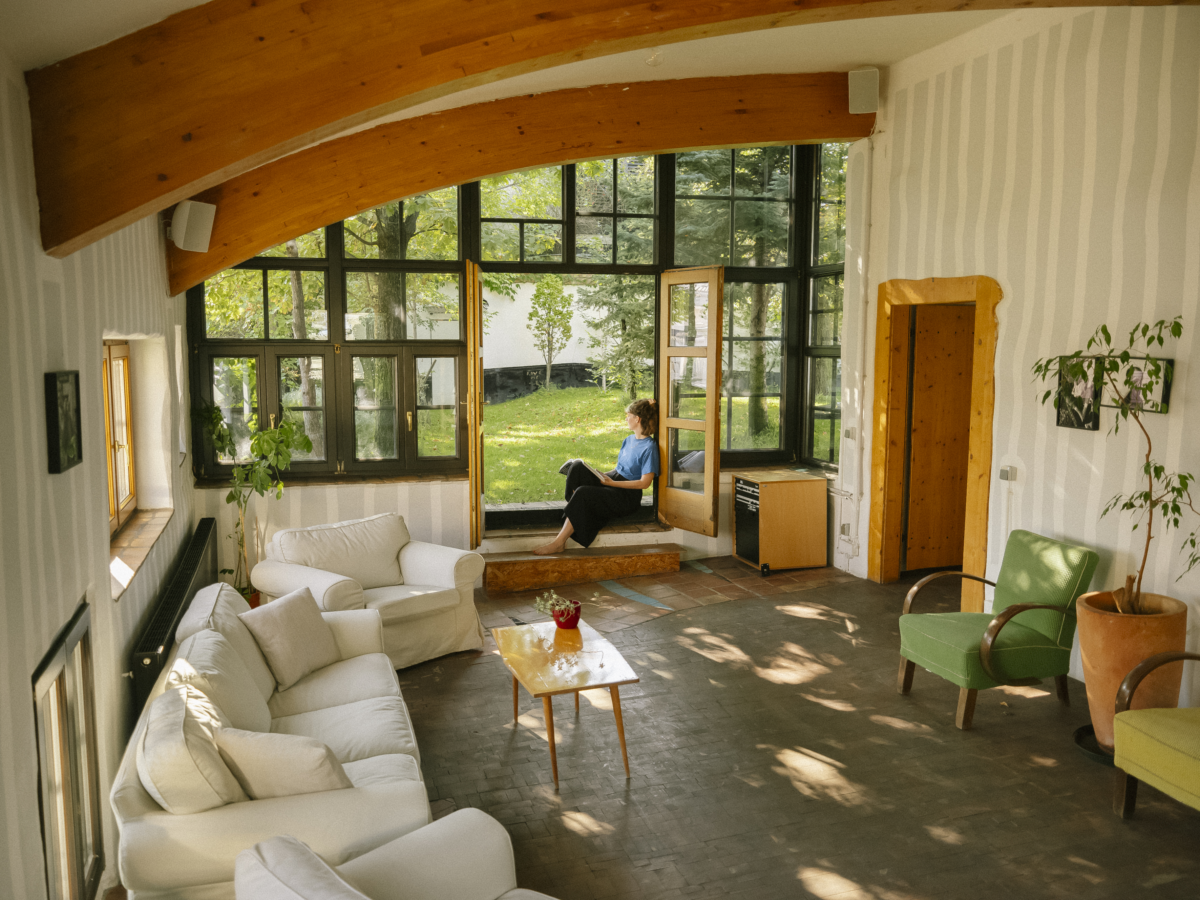
A museum lives from the paintings, sculptures and objects it is home to. Beyond its role as host, the KunstHausWien is itself a work of art. The windows dance, the floor is uneven. Plants grow out of and along the humpy façade. Over which irregular mosaics are scattered. What Hundertwasser has created here exists nowhere else.
The KunstHausWien is also the only building in Vienna designed by the artist that is open to visitors every day of the year. Another building created by Hundertwasser is located only a few metres away: the Hundertwasserhaus. Belonging to the Stadt Wien, the apartment building, unlike the museum, is not accessible to the public; but it is a must-see for anyone interested in architecture.
History
History
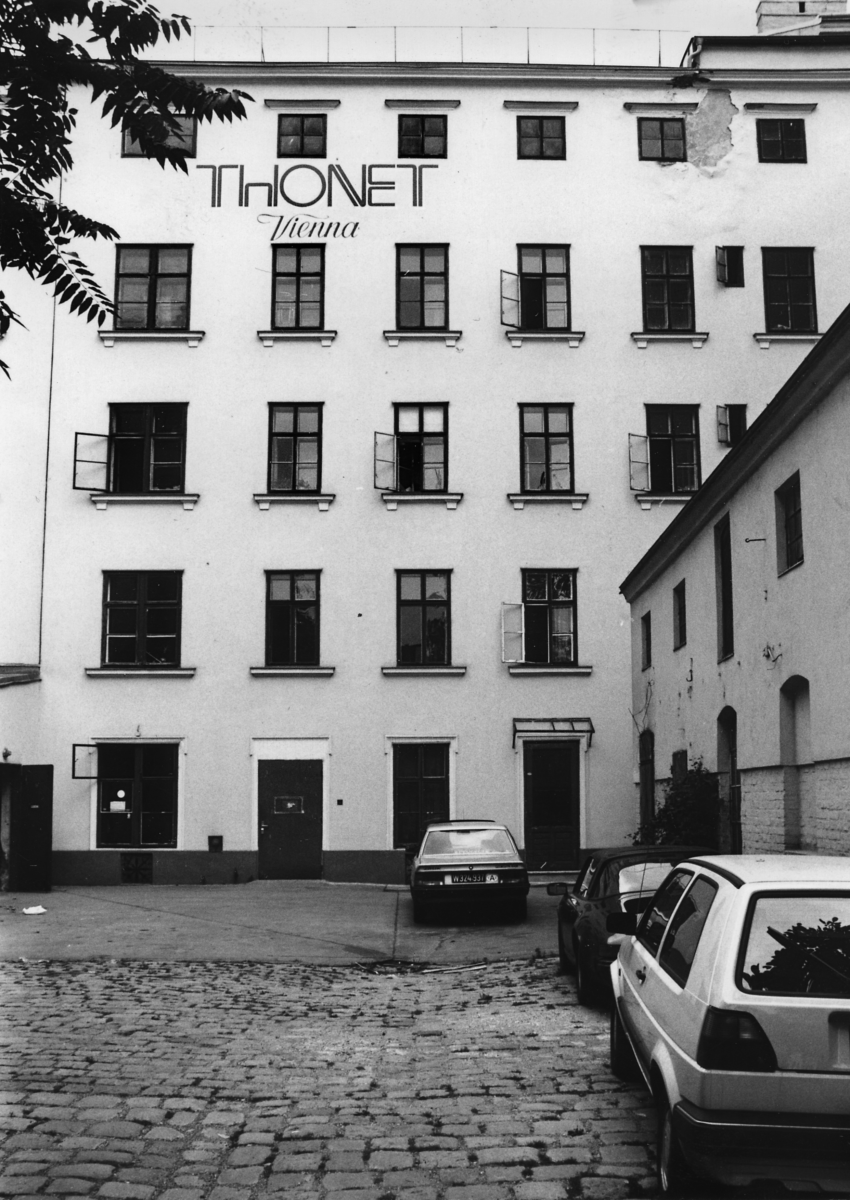
The KunstHausWien was created in 1991 from a former furniture factory: the building was remodelled according to Hundertwasser's designs and opened as a museum for his work and international temporary exhibitions. It houses the world's only permanent museum exhibition on Hundertwasser and also sees itself as an exhibition centre that combines art and ecology and seeks to address the major issues of our time.
The Austrian Ecolabel
The Austrian Ecolabel
In 2018, KunstHausWien was the first museum to be certified with the Austrian Ecolabel.
The Green Museum
The Green Museum
The Green Museum combines art with the pressing issues of our time. In its exhibitions, it reflects on topics such as the relationship between humans and the environment they have shaped, the consequences of the climate crisis and the decline in global biodiversity. At the same time, it lives the principles of sustainability in its own operations and shows how responsibility for the present and future can be realised in concrete terms.
Museums for Future
Museums for Future
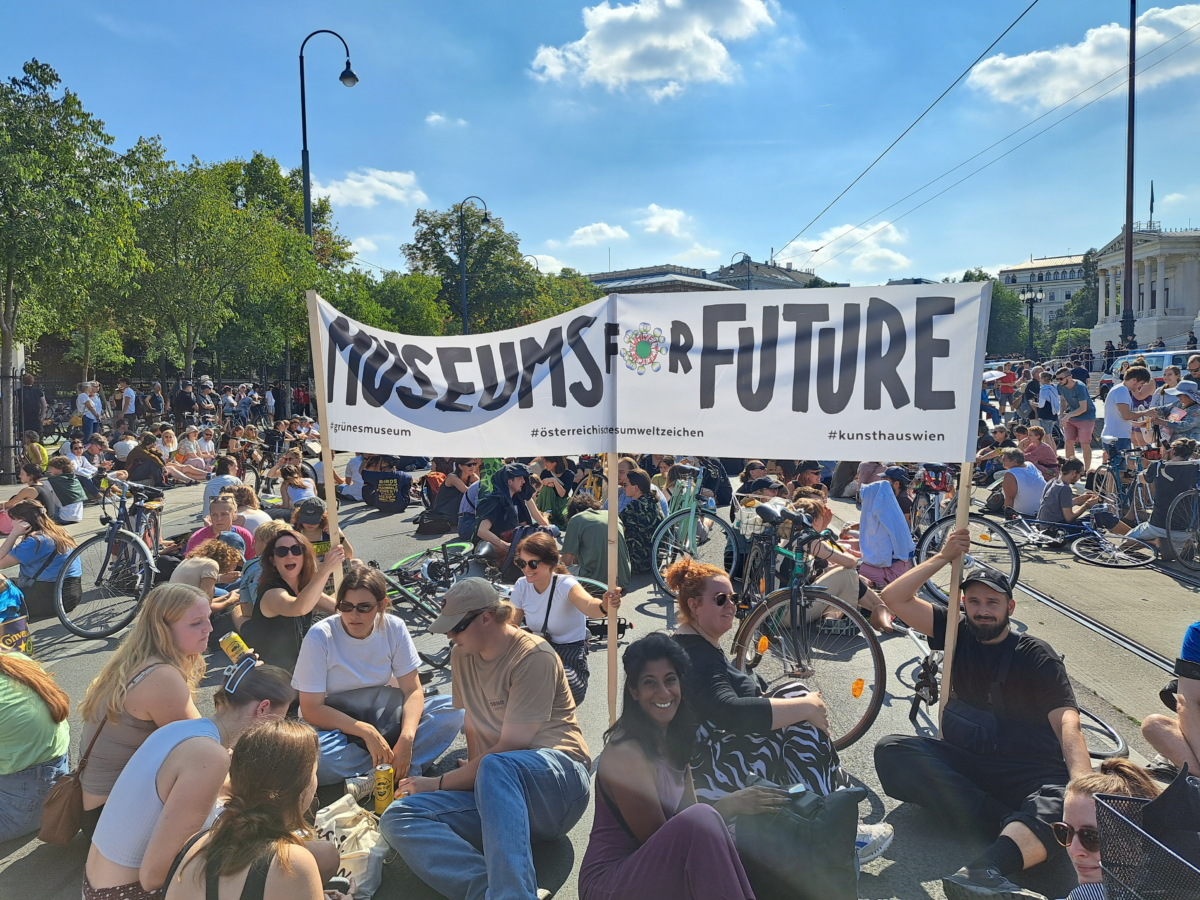
As part of the Museums for Future movement, KunstHausWien is committed to effective climate protection and the 1.5 degree target of the Paris Agreement. Even without a local alliance, we remain an active voice for ecological and socio-political responsibility in the cultural sector. As a green museum, we create space for discussions with artists, scientists and activists - for a sustainable future for all.
Future Talks
Future Talks
As the first Green Museum, it negotiates environmental and sustainability issues within the art discourse. Understanding a museum as a producer of values, which, as a public institution, has to convey a socio-political attitude, KunstHausWien is engaged in the Museums for Future movement.
Klima Biennale Wien
Klima Biennale Wien
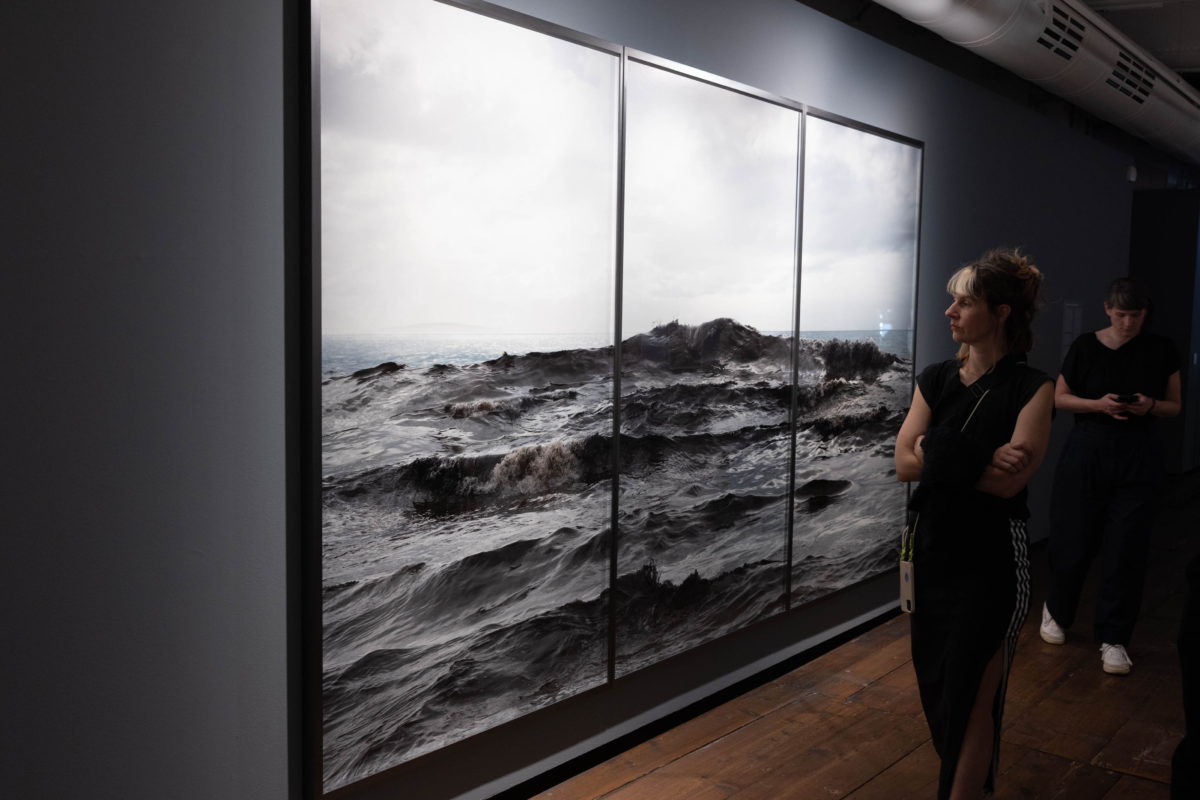
With the pioneering vision and power of art, the Klima Biennale Wien is driving the paradigm change towards a viable future on our planet. Participation, cooperation and raising awareness are the central tools in this process. Organised and hosted by the KunstHausWien, the Biennale spreads new ideas throughout the city, looking to find effective local community responses to the climate crisis.
From a perspective drawing on art, design, architecture and science, the Klima Biennale Wien addresses the topics of global change, the climate crisis and species extinction. Our foremost concern is to find new ways to share knowledge and enter into cooperative discussion.
Rooms
-
Untere Weißgerberstraße 13,
1030 Wien
Tel: +43-1-712 04 91
Fax: +43-1-712 04 91-60
info@
kunsthauswien.com