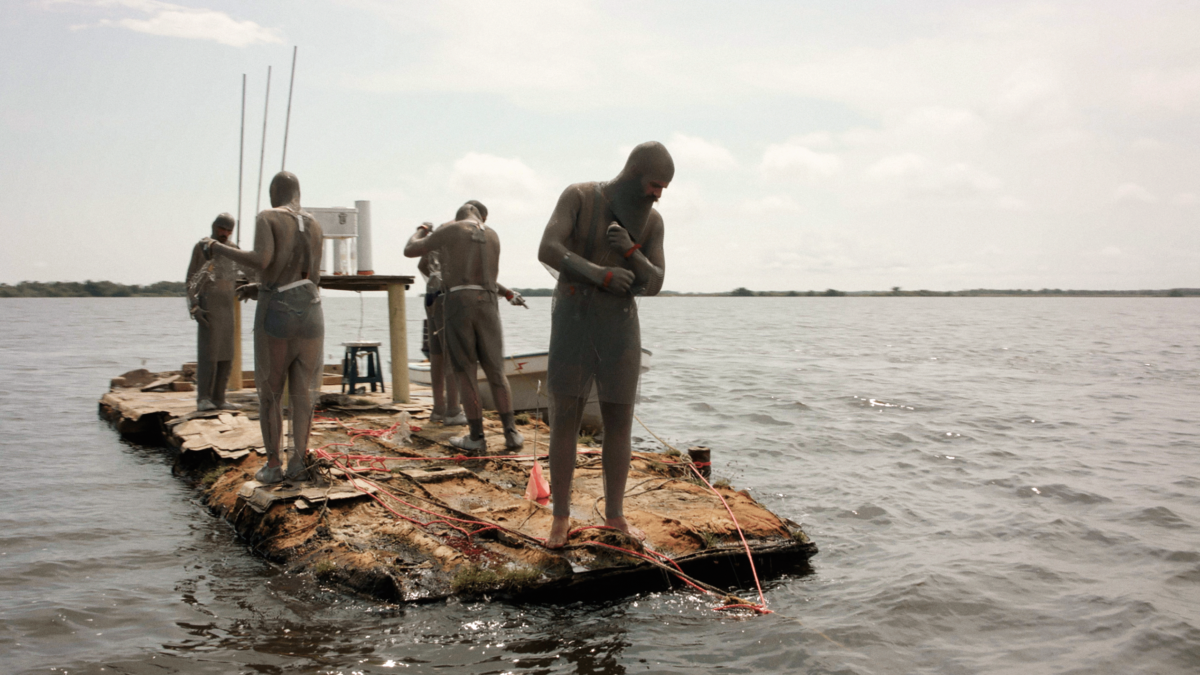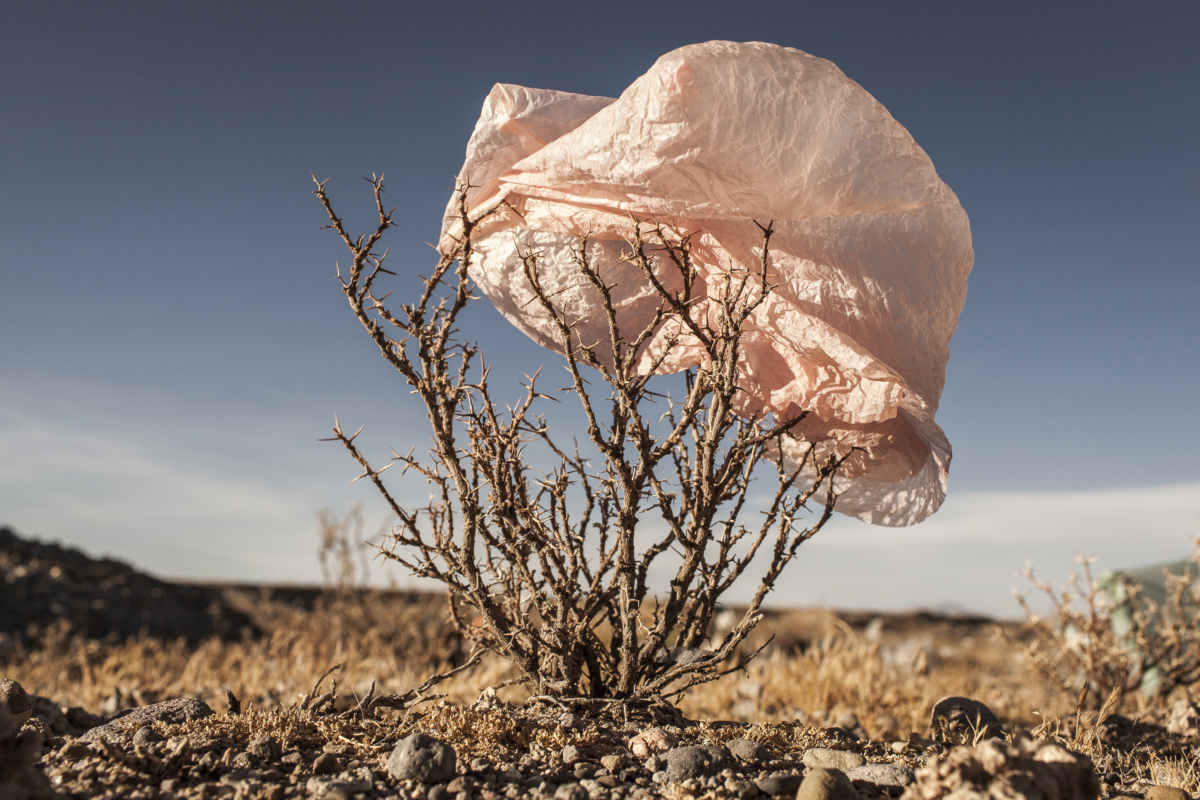
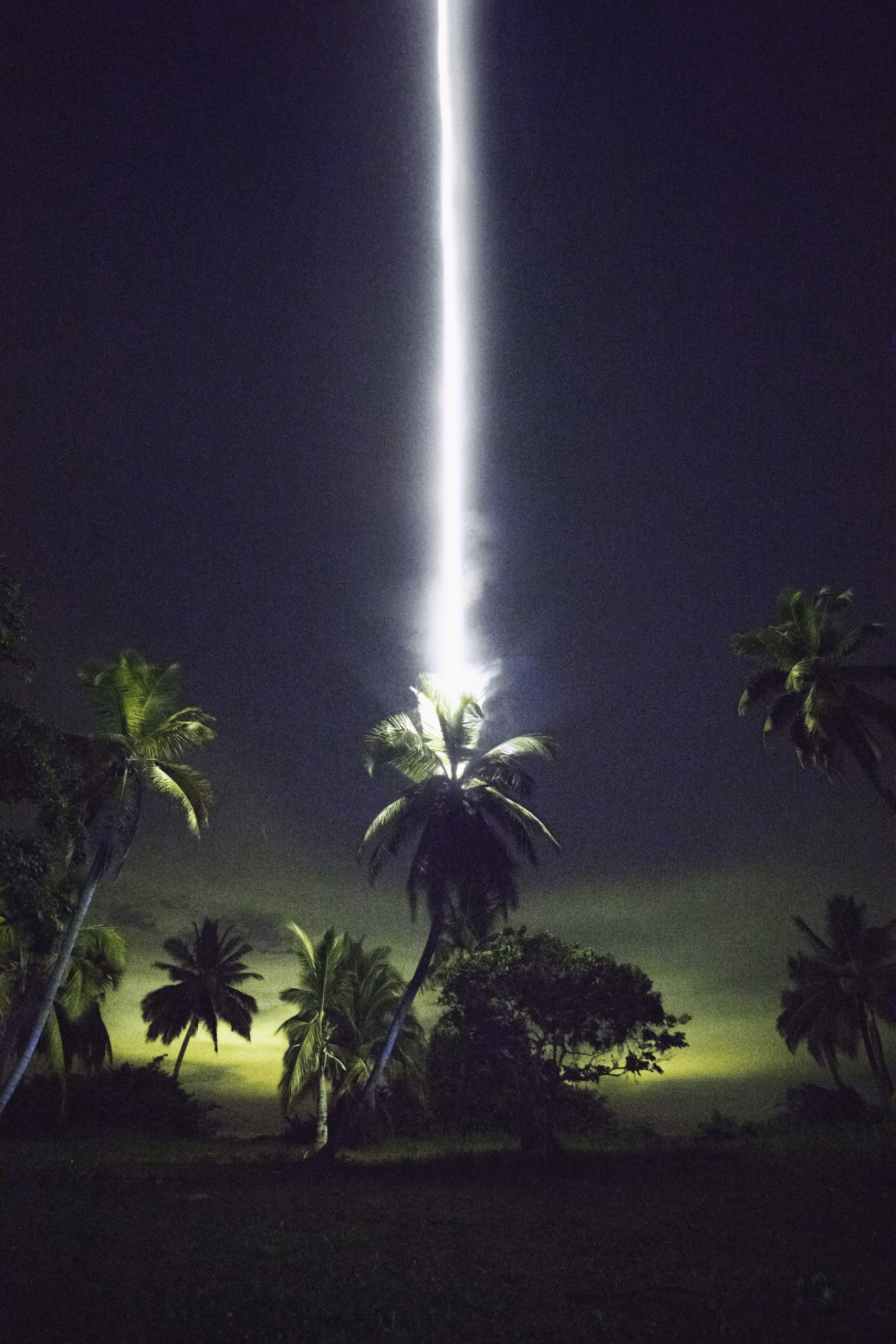
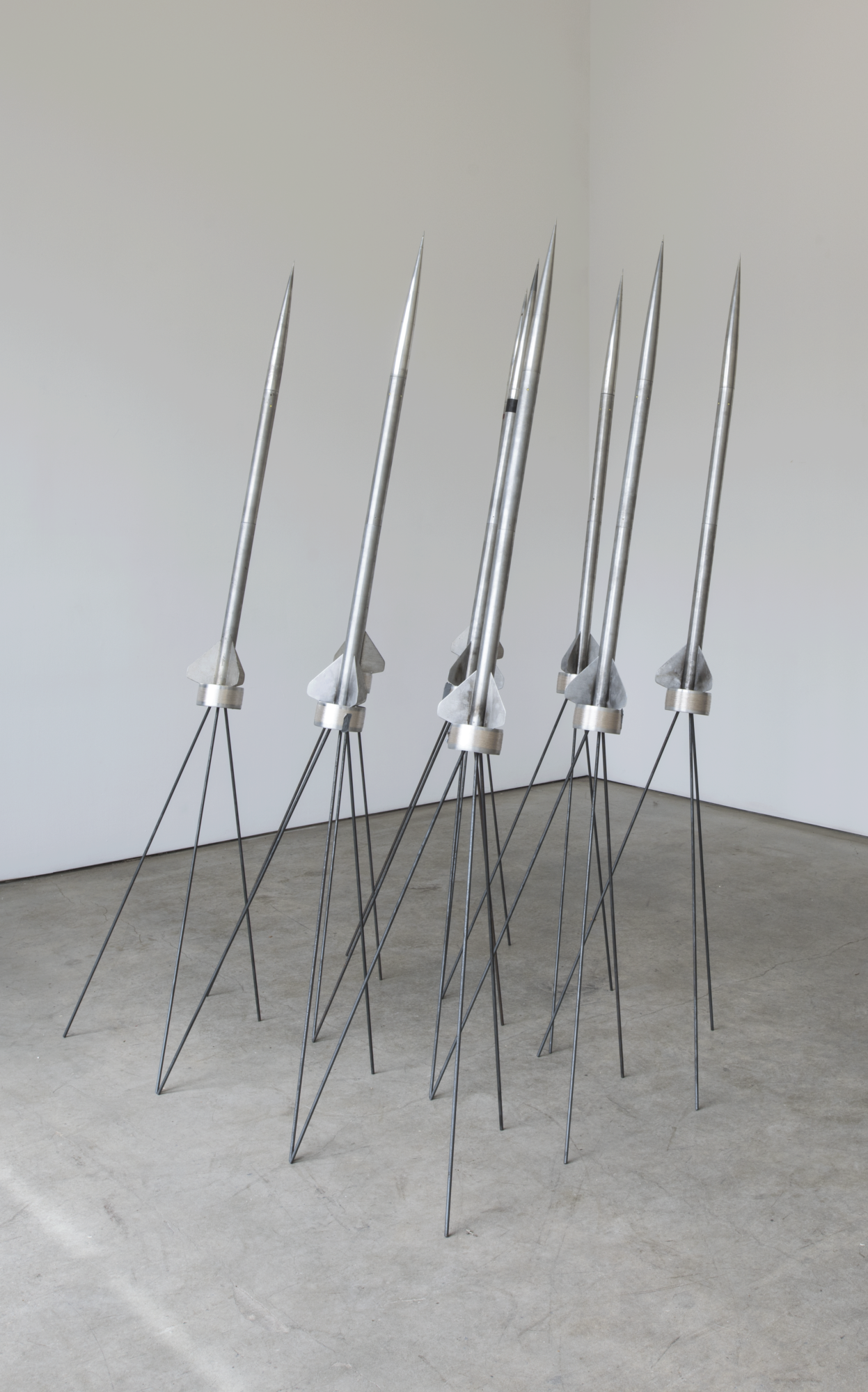
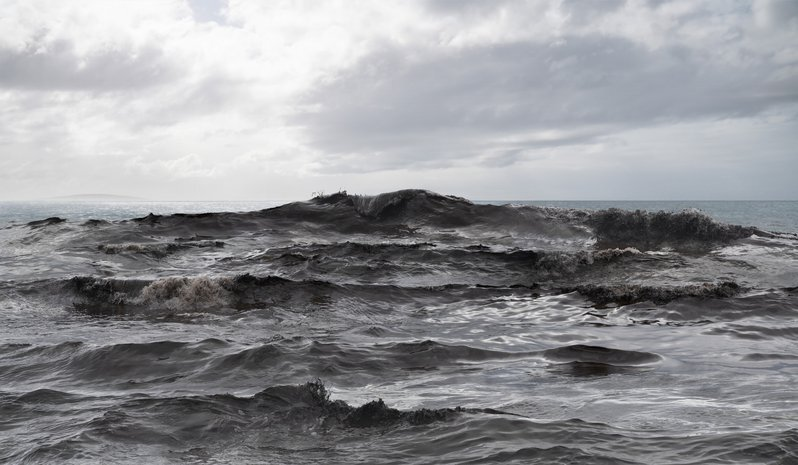
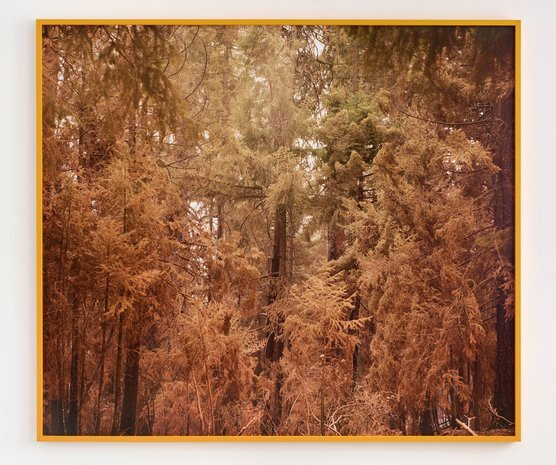
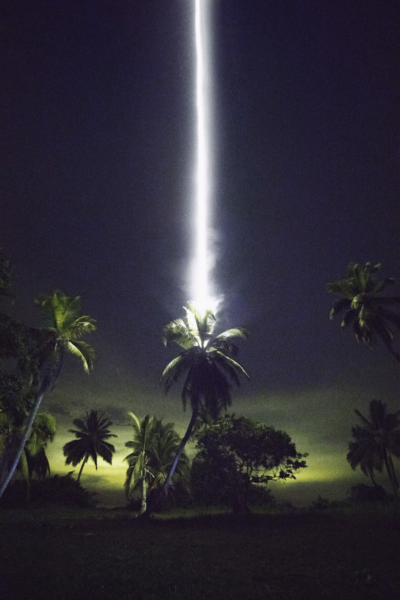
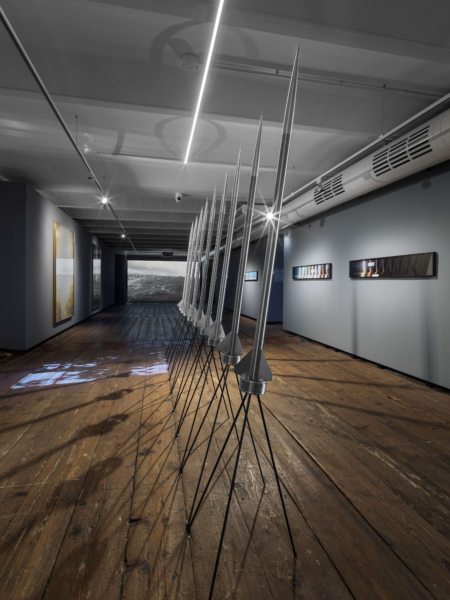
He gives the sea a whipping, captures lightning bolts or paints whole landscapes. In powerful images facilitated by technological inventions and radical experimental settings, Julius von Bismarck explores human perception and the relationship we humans have to what we call “nature”. With Normale Katastrophe (Normality Bias) the KunstHausWien is staging the German artist’s first large solo exhibition in an Austrian institution.
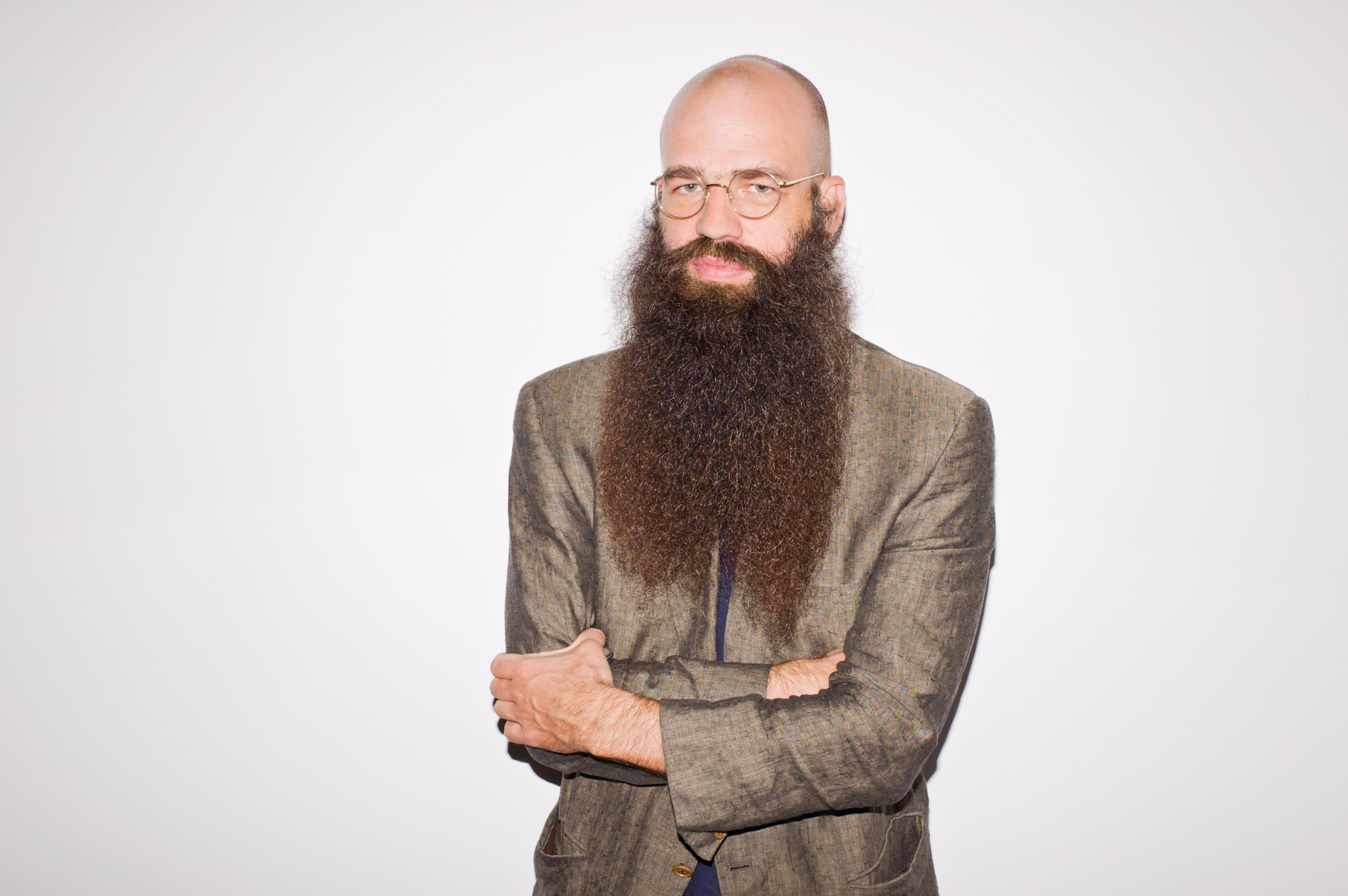
Julius Von Bismarck
Normale Katastrophe (Normality Bias)
10.09.2025–08.03.2026
/
Impressions
10.09.2025–08.03.2026
/
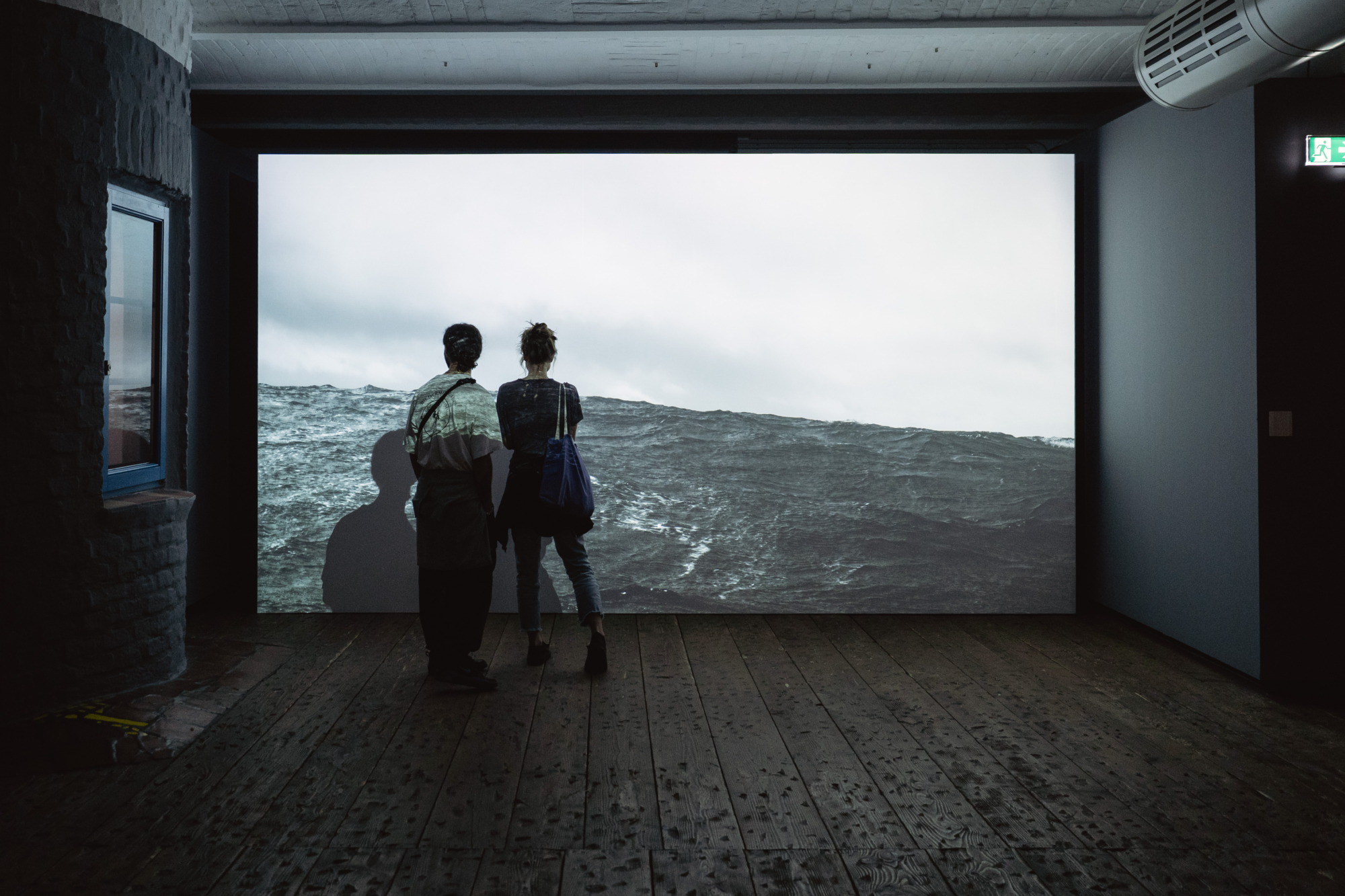
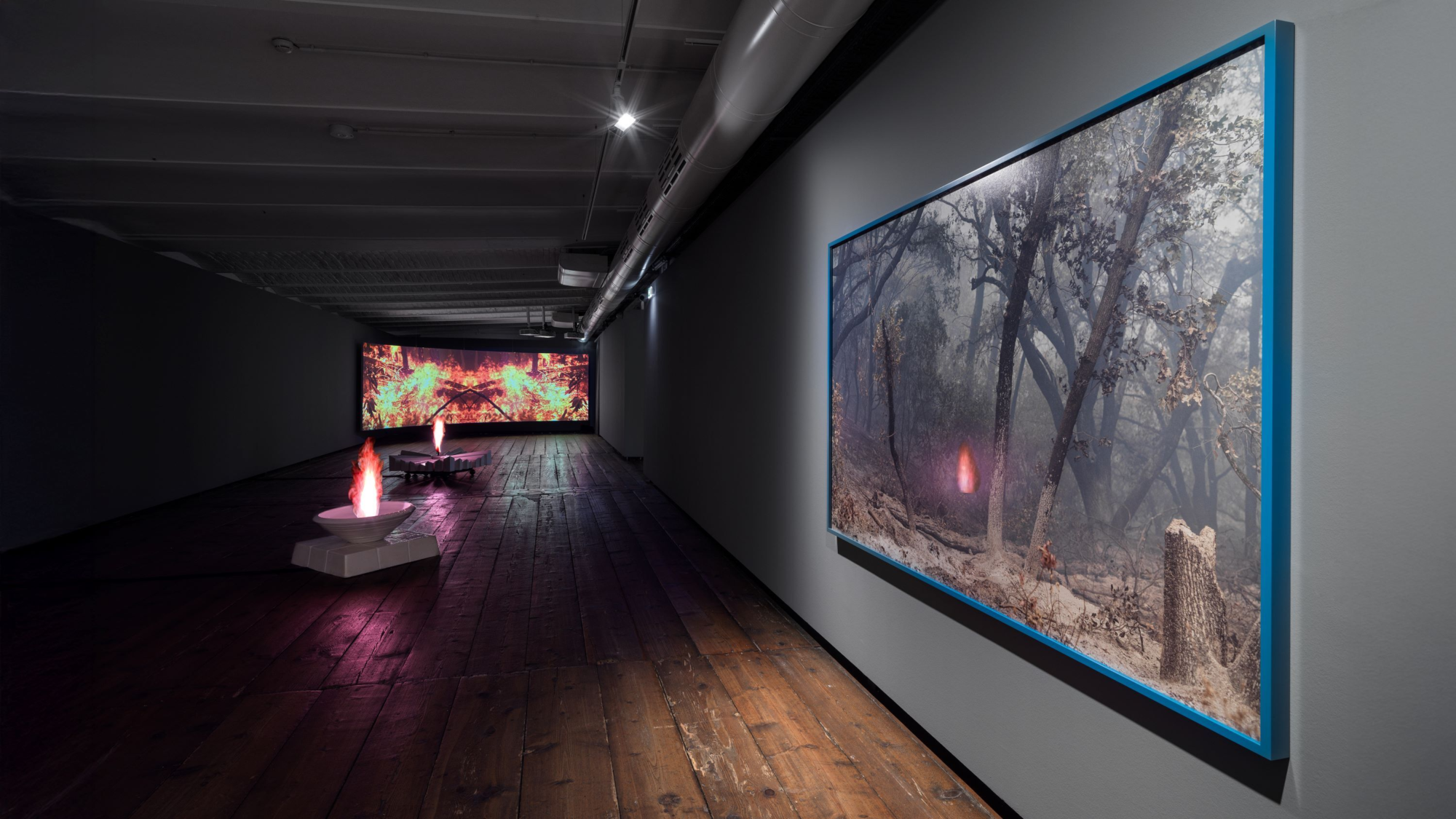
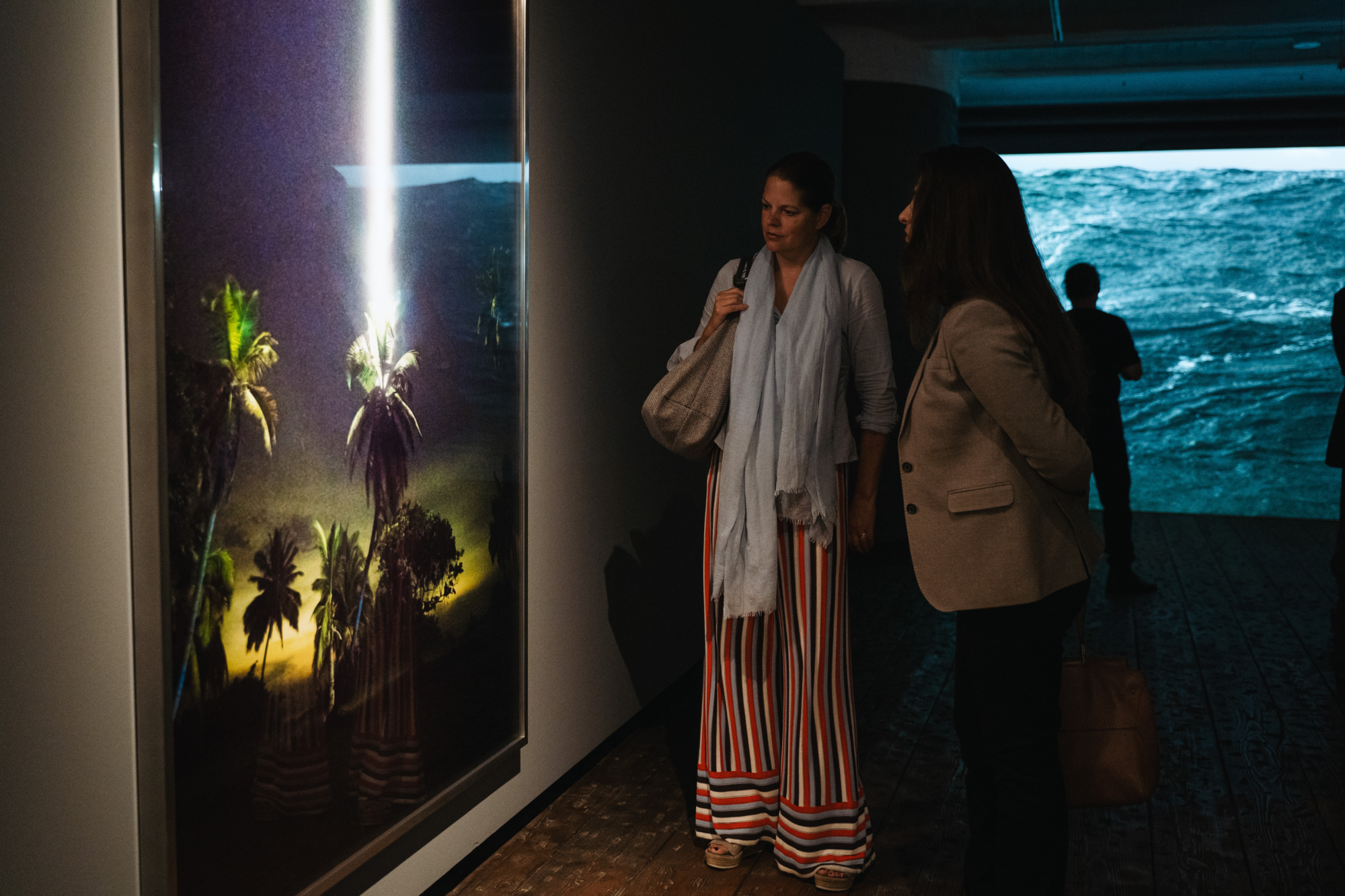
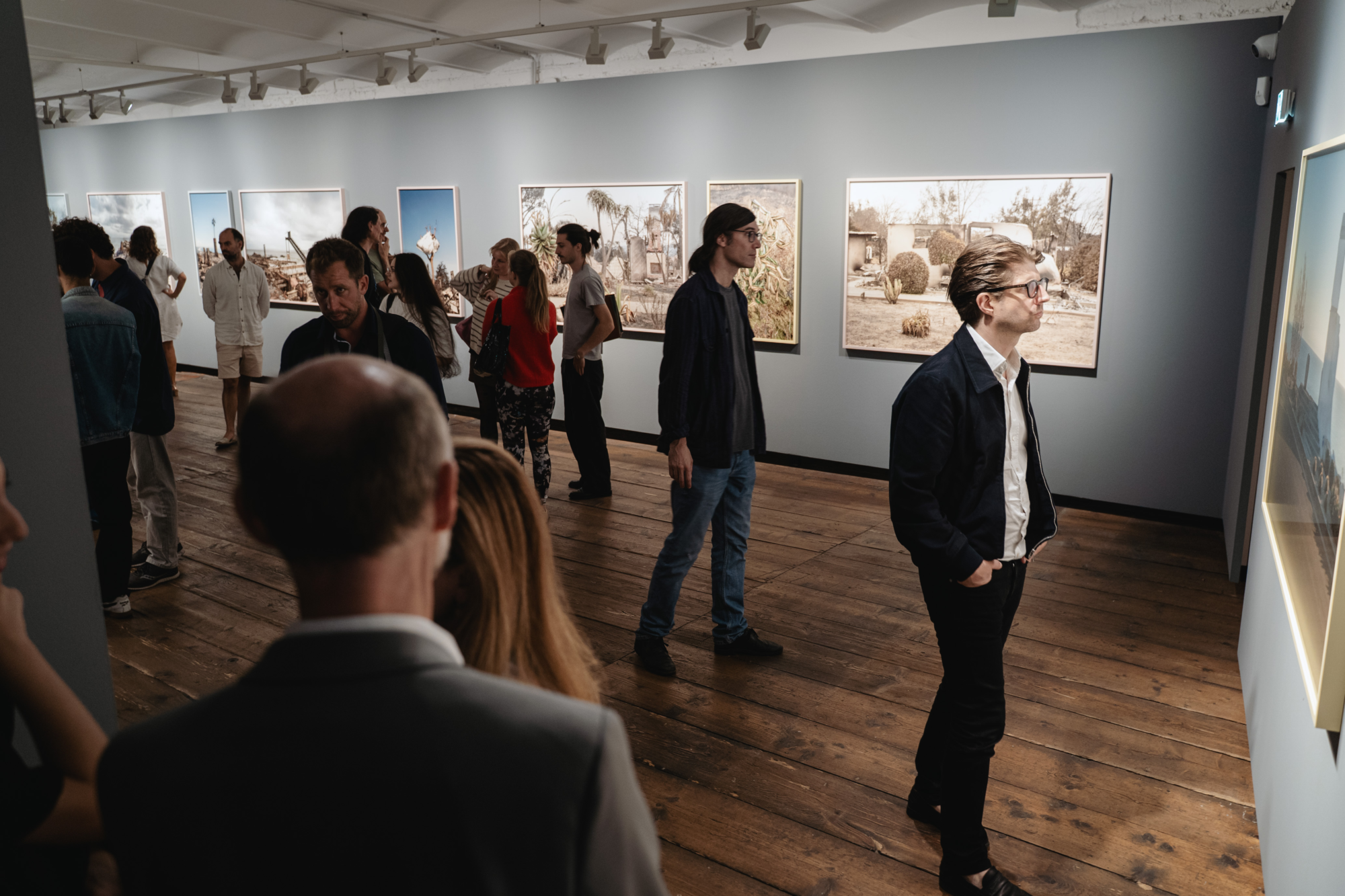
Driven by a boundless spirit of experimentation, the artist combines scientific curiosity with artistic vision. His photographs, video works, sculptures and installations are visually stunning and do not shy away from grand gestures.
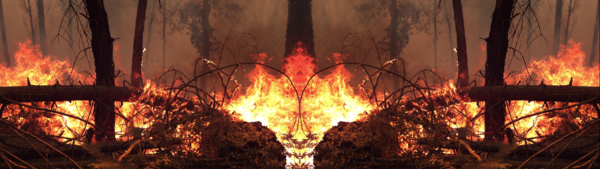
Whether wildfires, lightning strikes or huge storm waves and swells – the engagement with the natural forces of fire and water in a living environment we humans are increasingly changing is the leitmotif of the exhibition. The title Normale Katastrophe (Normality Bias) describes the state of a society continuously stricken by multiple crises, with far-reaching and unprecedented ecological and social changes becoming the new normality. Along with a selection of cross-media works from the last fifteen years, a series of new photographic works will be on show. Julius von Bismarck is also creating a site-specific intervention for the KunstHausWien’s greened inner courtyard. The works assembled in the exhibition deal with traditional images and narratives about nature: nature as a romanticised idyll, as an economic resource or as a vengeful, almost divine authority. Julius von Bismarck counters these ideas with new images, disconcertingly beautiful and contemplative in character – with the result that they almost make us forget the enormous power of nature and the immense physical commitment required to produce them. They enable us to sense and discern the extent to which our perception of nature is culturally moulded. As the artist has put it:
Julius von Bismarck’s artistic research is oriented on action, with his works often emerging out of direct, physical engagement with the forces of nature. The works assembled in the exhibition deal with traditional images and narratives about nature: nature as a romanticised idyll, as an economic resource or as a vengeful, almost divine authority. Julius von Bismarck counters these ideas with new images, disconcertingly beautiful and contemplative in character – they almost make us forget the enormous power of nature and the immense physical commitment by the artist to produce them, enabling us to sense just how much our perception of nature is moulded by culture. “In my view,” explains the artist, “what we think about nature or how we understand nature is strongly informed by images – when nature is represented in an image it’s called a landscape. I try to destroy the old, conventionalised images and create new ones.”
Julius von Bismarck is not looking for explanations with this creative research but rather experiences. Through the openness of his experiments he creates visual spaces which reveal the limits of our inherited traditional ways of seeing and initiate new perspectives on the relationship between humans and the environment. Amidst the very forces of nature, Normale Katastrophe (Normality Bias) addresses human hubris, responsibility and agency, challenging us to take another look and question the consequences our actions have on the environment.
Biography
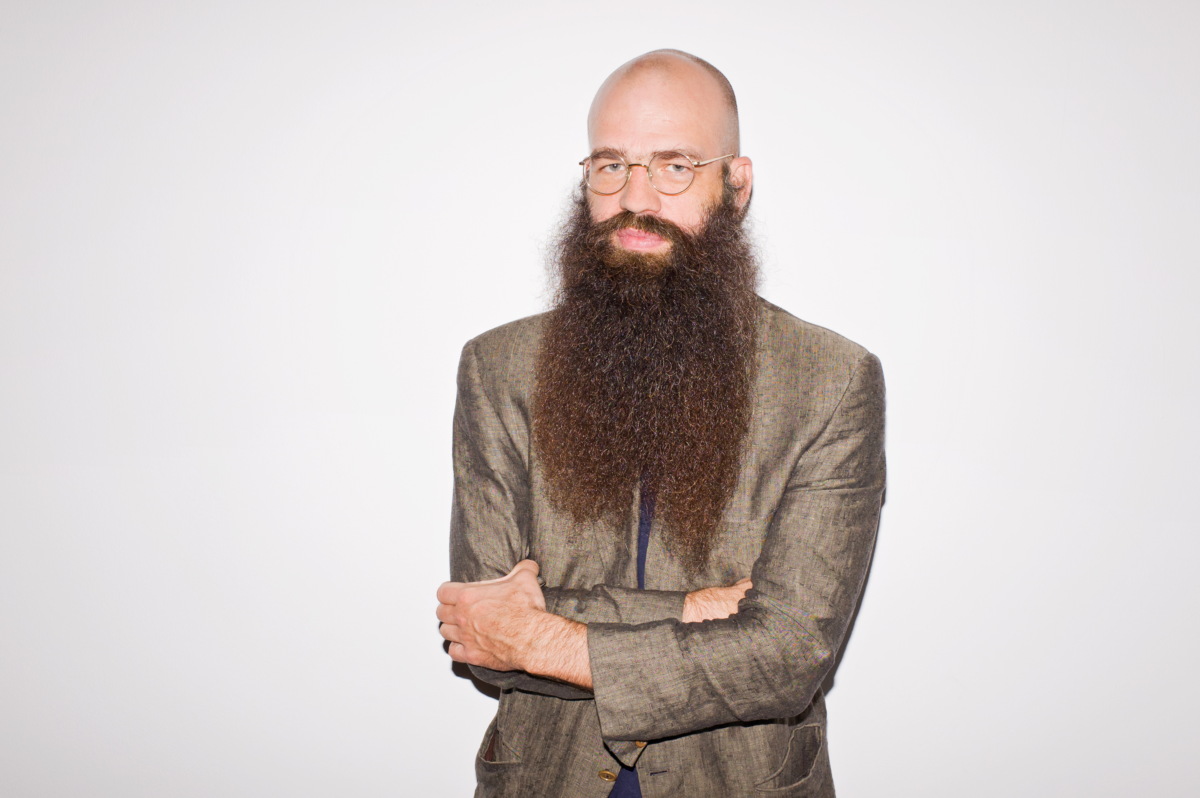
Julius von Bismarck was born in 1983 in Breisach am Rhein (Germany) and grew up in Riad (Saudi Arabia) and Berlin. He lives and works in Berlin and Switzerland. He studied at the University of the Arts, Berlin, the Hunter College New York (USA) and the Institute for Spatial Experiments founded by Ólafur Elíasson in Berlin. The artist has already developed numerous solo exhibitions, for example at the Berlinische Galerie (2023), the Bundeskunsthalle Bonn (2020) and the Palais de Tokyo in Paris (2019). He has also taken part in diverse international group exhibitions and biennales, including Abenteuer Abstraktion in the Sprengel Museum Hannover (2023), the Mercosul Biennale in Porto Alegre, Brazil (2022), STUDIO BERLIN in the Berghain, Berlin (2020), Power to the People in the Schirn Kunsthalle Frankfurt (2018), the first Antarctica Biennale (2017) and the Architecture Biennale Venice (2012). In 2008 he was awarded the Prix Ars Electronica, while in 2012 he was the first artist-in-residence at CERN, the European Organisation for Nuclear Research, in Geneva.
Curator
Sophie Haslinger
A project as part of FOTO WIEN 2025
Events
10.09.2025–08.03.2026
-
Sun 14.09.2025 11:00–12:00Public Tours: Normale KatastropheSprache: DE Tour
-
Sun 12.10.2025 11:00–12:00Public Tours: Normale KatastropheSprache: DE Tour
-
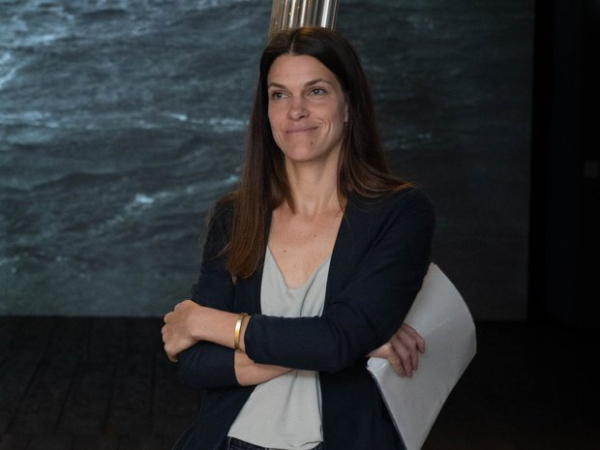
Mon 13.10.2025 17:00–18:00Curator's Tours with Sophie Haslinger Normale KatastropheTour
-
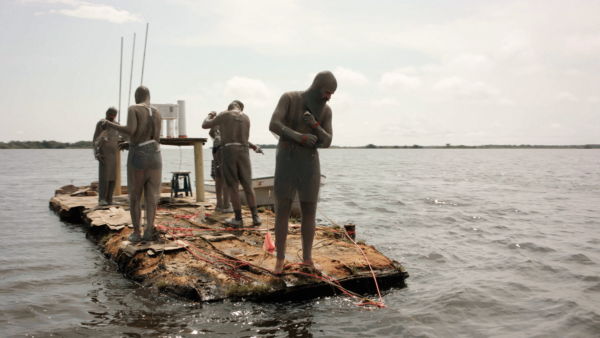
Wed 05.11.2025 18:30–20:00Wer macht das Wetter?Talk
-
Sun 09.11.2025 11:00–12:00Public Tours: Normale KatastropheSprache: DE Tour
-
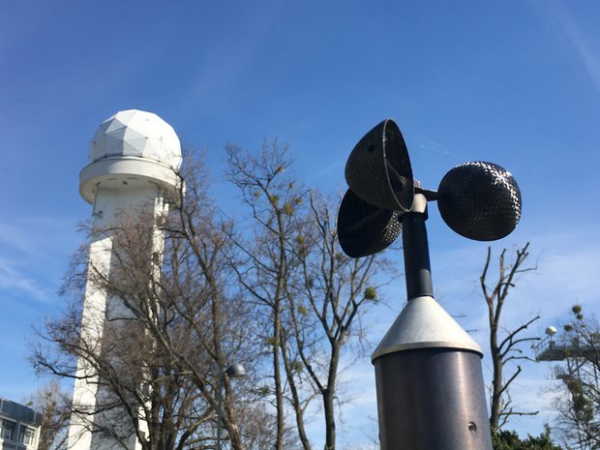
Fri 21.11.2025 14:00–16:00Wetterstation Hohe Warte Exkursion in Kooperation mit GeoSphere AustriaWorkshop
-
Sun 14.12.2025 11:00–12:00Public Tours: Normale Katastrophemit ÖGS-Dolmetsch Tour
-
Sun 11.01.2026 11:00–12:00Public Tours: Normale KatastropheSprache: DE Tour
-
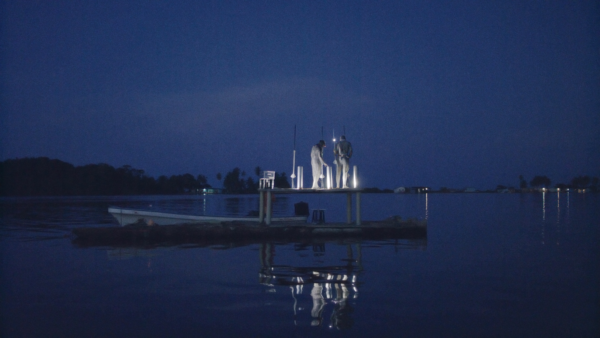
Wed 14.01.2026 18:00–19:30Im Dialog Tour with cultural anthropologist Greca MeloniTour
-
Tue 03.02.2026 13:00–14:30Rätselrallye quer durch die Normale Katastrophe
-
Wed 04.02.2026 13:00–14:30Rätselrallye quer durch die Normale Katastrophe
-
Thu 05.02.2026 13:00–14:30Rätselrallye quer durch die Normale Katastrophe
-
Sun 08.02.2026 11:00–12:00Public Tours: Normale KatastropheSprache: DE Tour
-
Sat 28.02.2026 13:00–16:00Fiery Ghosts DIY WorkshopNo registration required Workshop
-
Tue 03.03.2026 17:00–18:00Curator's Tours with Sophie Haslinger Normale KatastropheTour
-
Sun 08.03.2026 11:00–12:00Public Tours: Normale KatastropheSprache: DE Tour