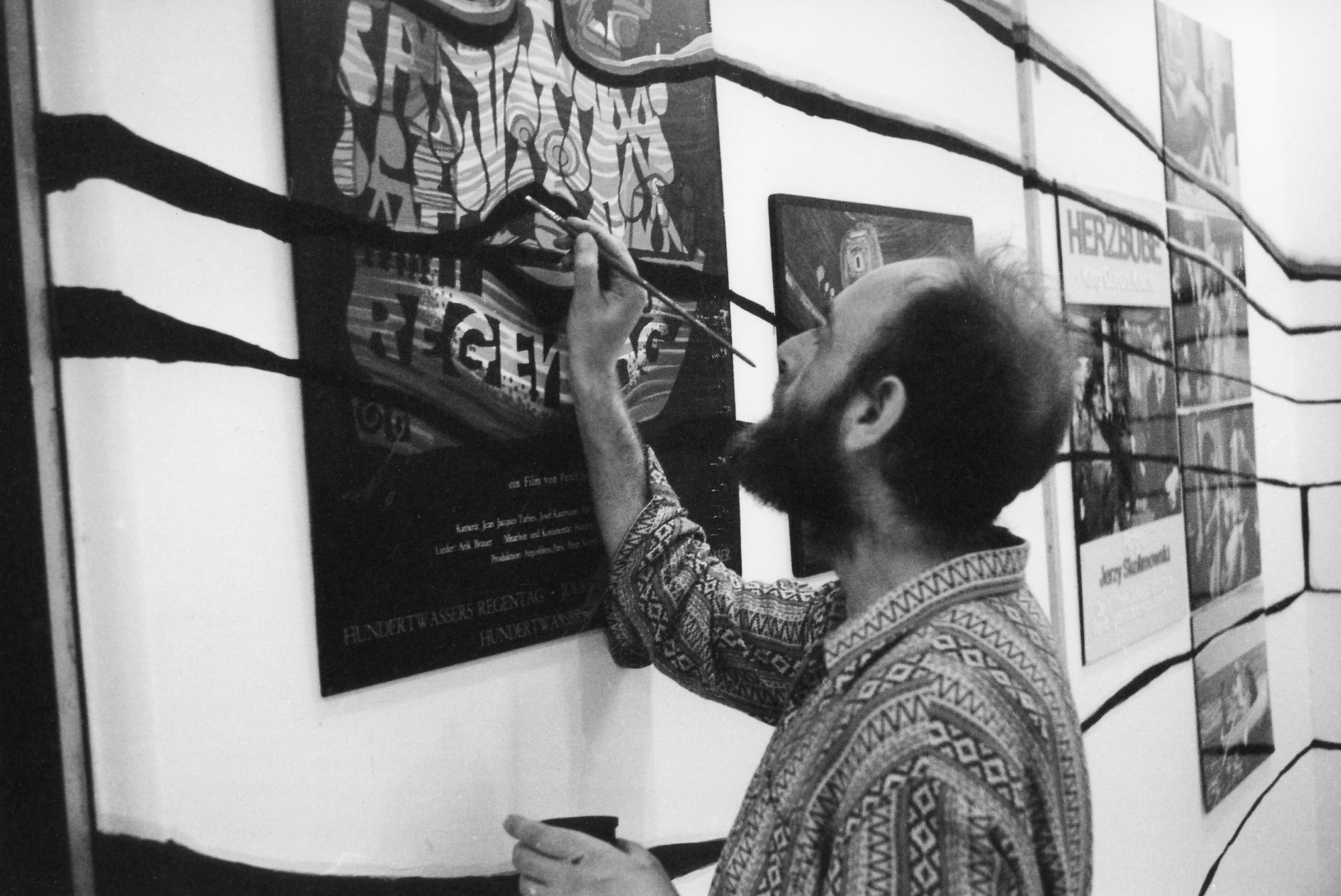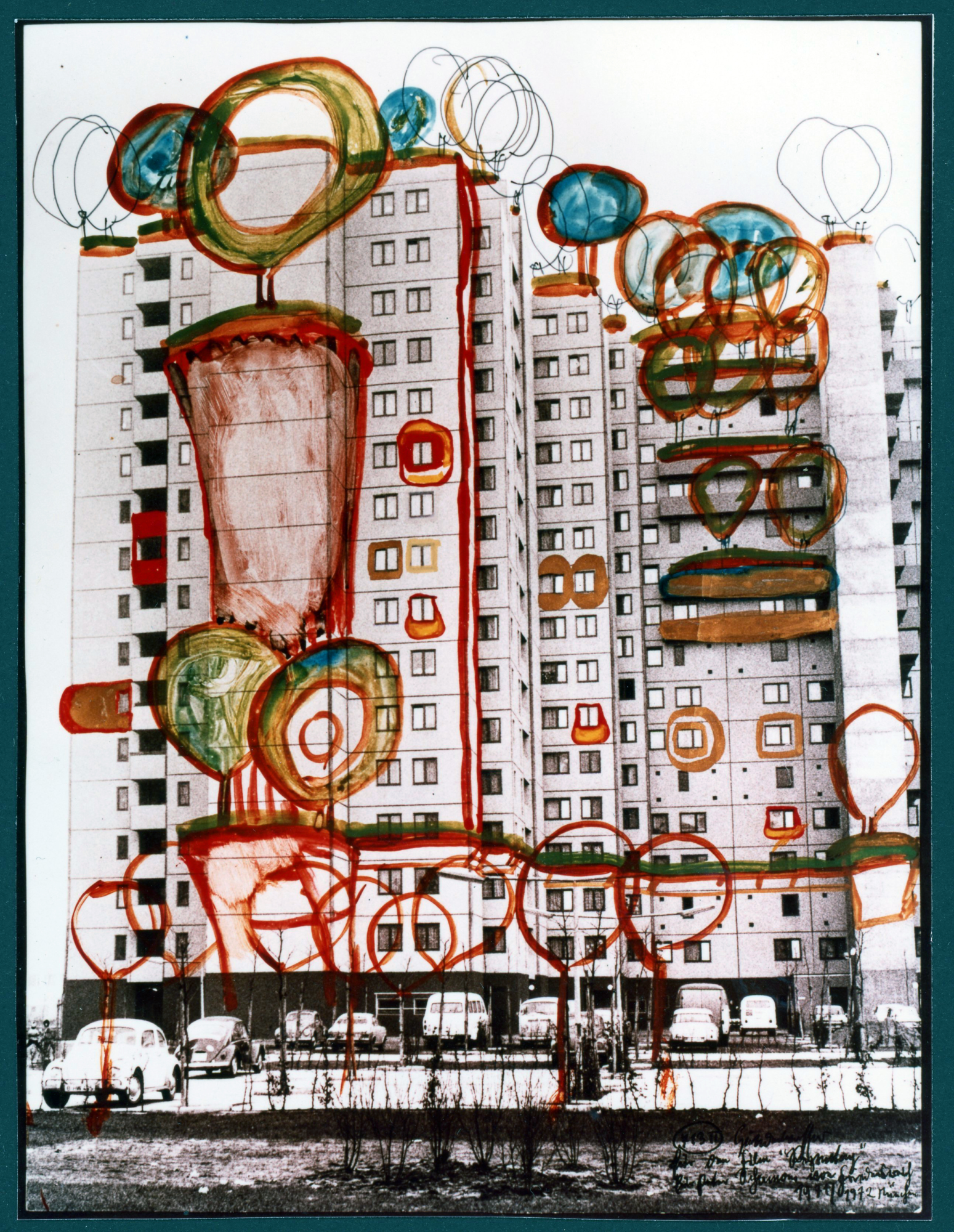
Hilde Spiel wrote in a 1972 review in the FAZ:
"You see the painter in his natural surroundings, his natural habitus and habitat, you see him with his mother, a bony old woman who, like Grandma Moses, creates her own colourful little cosmos. We see him with girls, with shipyard workers and sailors, with his black cat and his black dog.
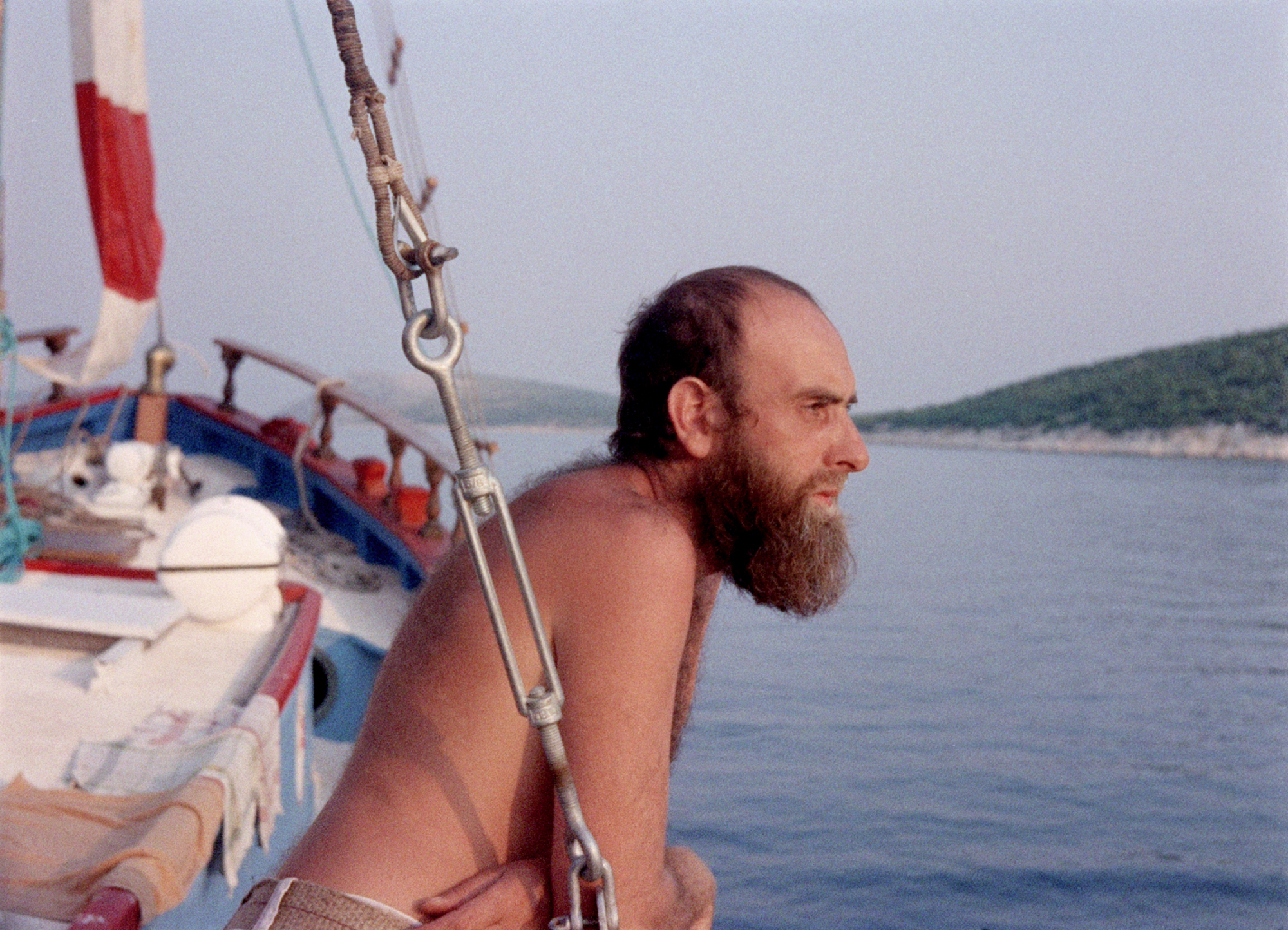
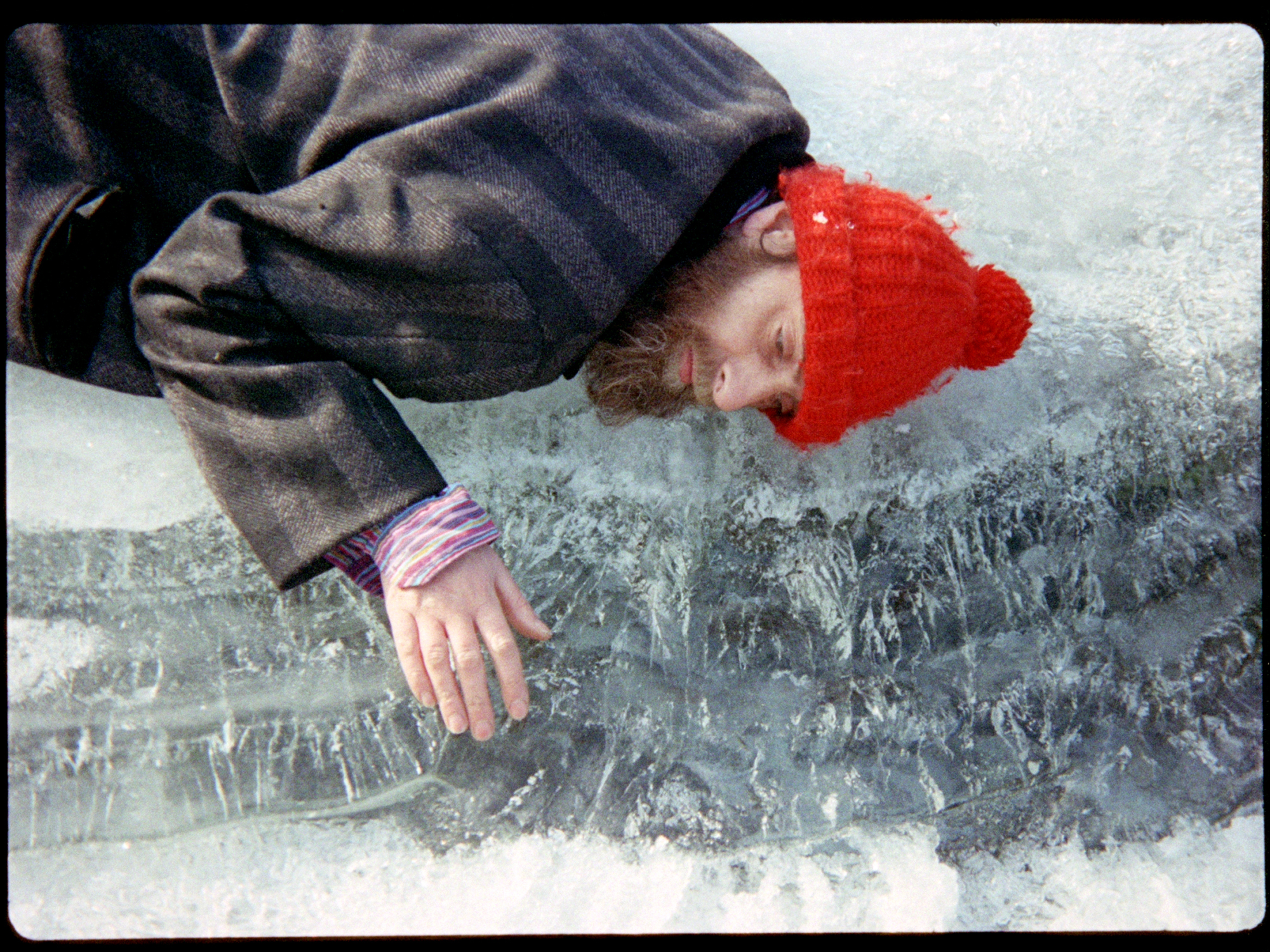
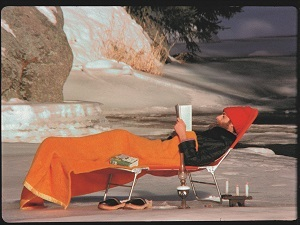
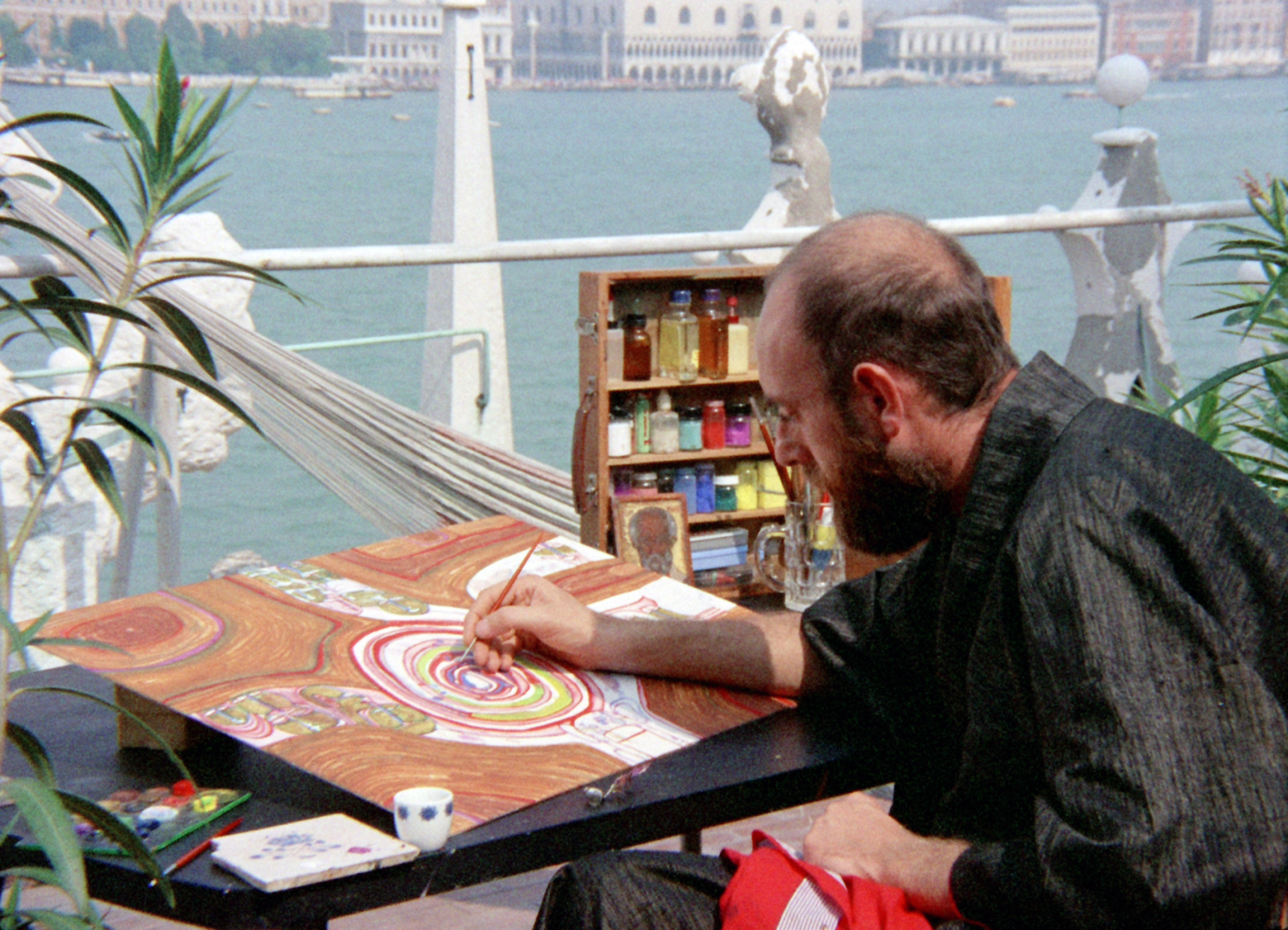
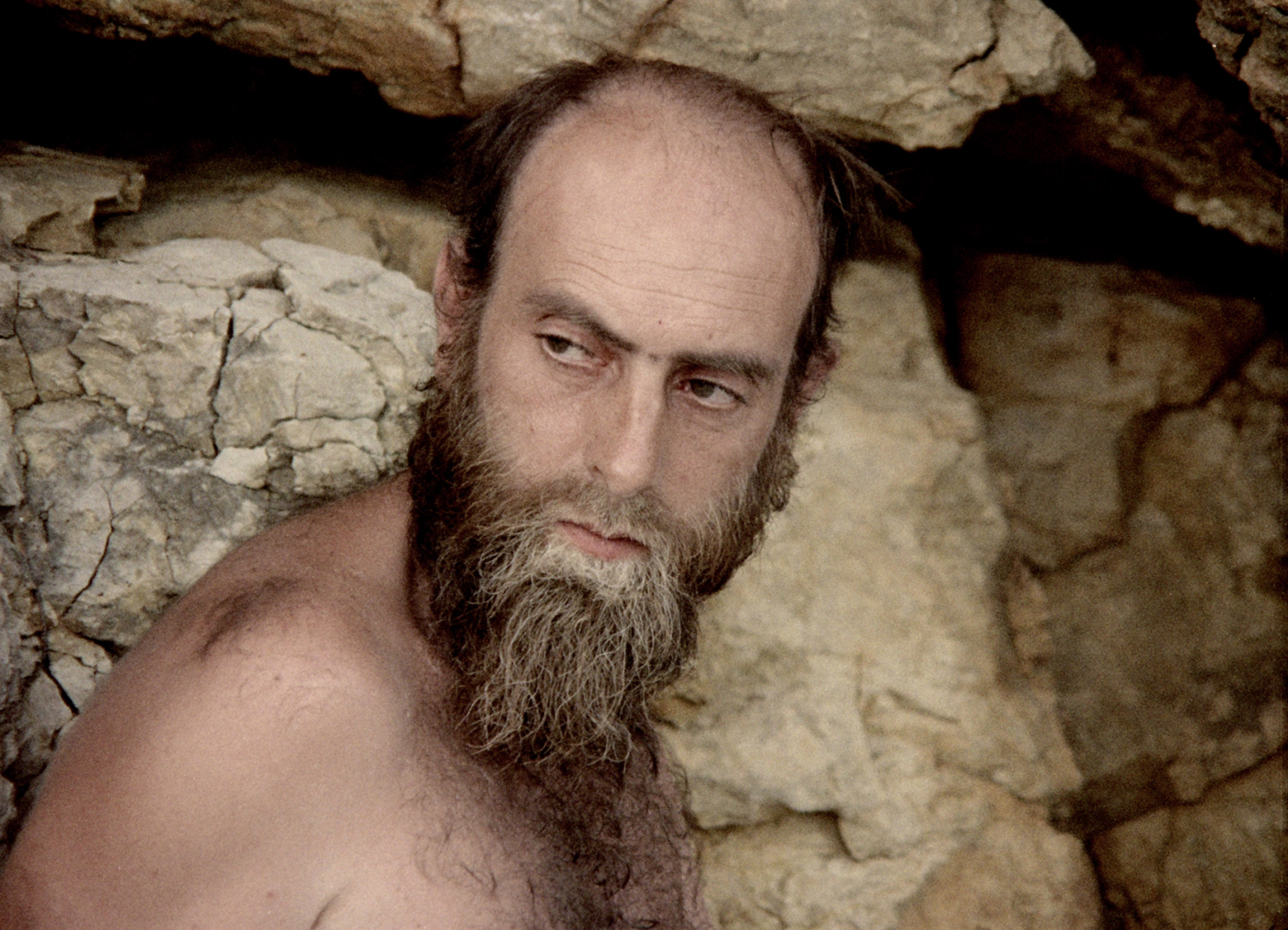
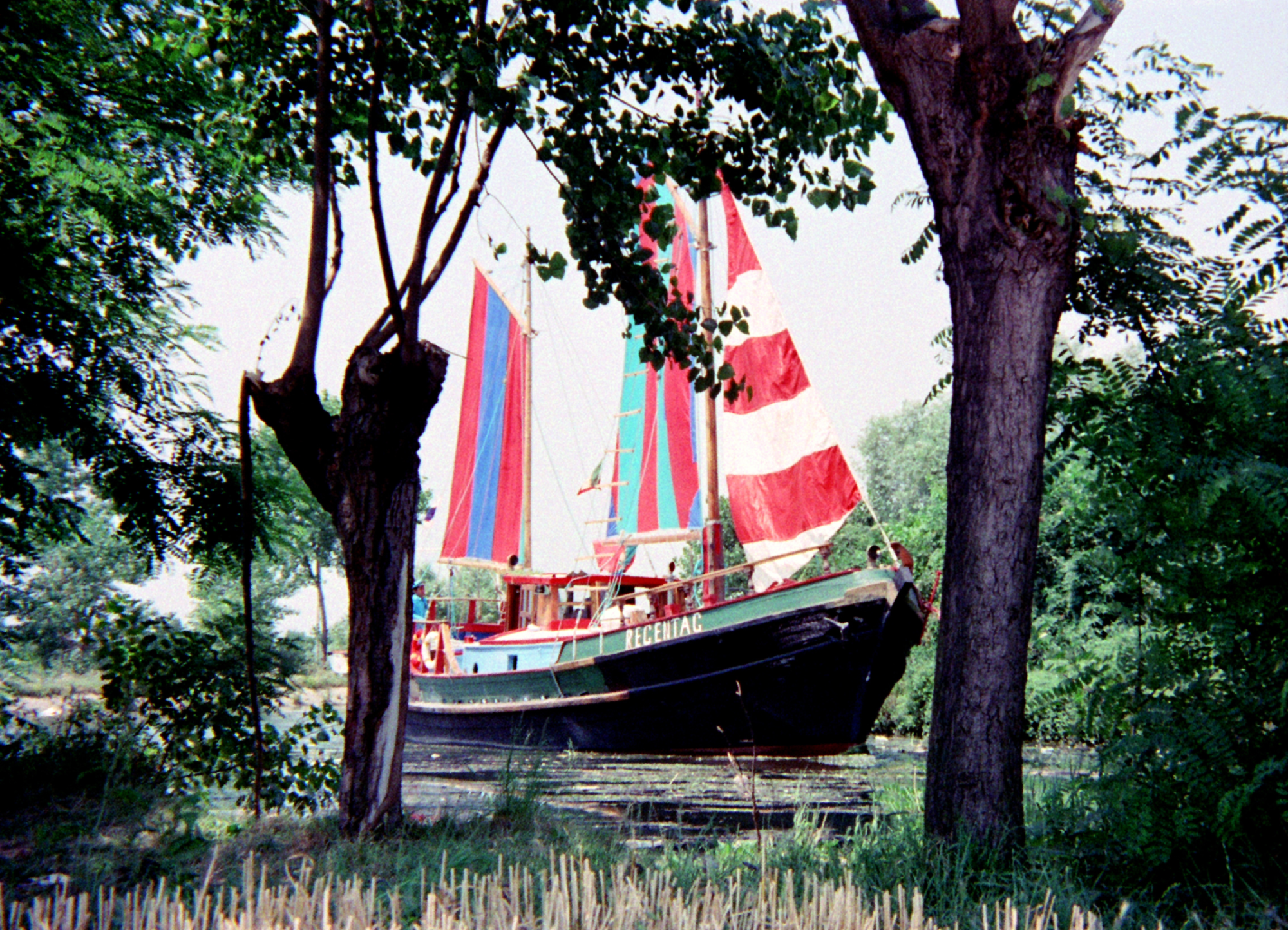
A picture of a free man who, when he feels like it, lies on the bare ice floes near his mill in the Waldviertel and hears the snow gurgling next to him, who has created empty, wide spaces around himself in his Viennese Art Nouveau studio high above the city, who sits in the front garden of his Venetian palazzo and drinks in the light, who paints naked on the seashore and slowly drifts down the Buenta with brightly coloured sails - white-red, red-blue, turquoise-red stripes. These long shots, the gliding ship seen through the shoreline, have a truly marvellous charm. They are beautiful, beautiful in the frowned upon sense; they evoke emotion and joie de vivre at the same time, a dream come true. A “success story” that really happened. Peter Schamoni has told it without irony, without shame or pretence."
FAZ, 18.03.1972
The film was awarded the German Film Prize in 1972, was Germany's official entry at the Cannes Film Festival and was nominated for an Oscar in 1973.
Hundertwasser's Rainy Day can be seen as a permanent video presentation in the exhibition rooms of the Museum Hundertwasser.
Hundertwasser's Rainy Day, 1972
Documentary film about Friedensreich Hundertwasser
45 minutes, 35 mm, colour